.png)
Role of vessels in liver diseases
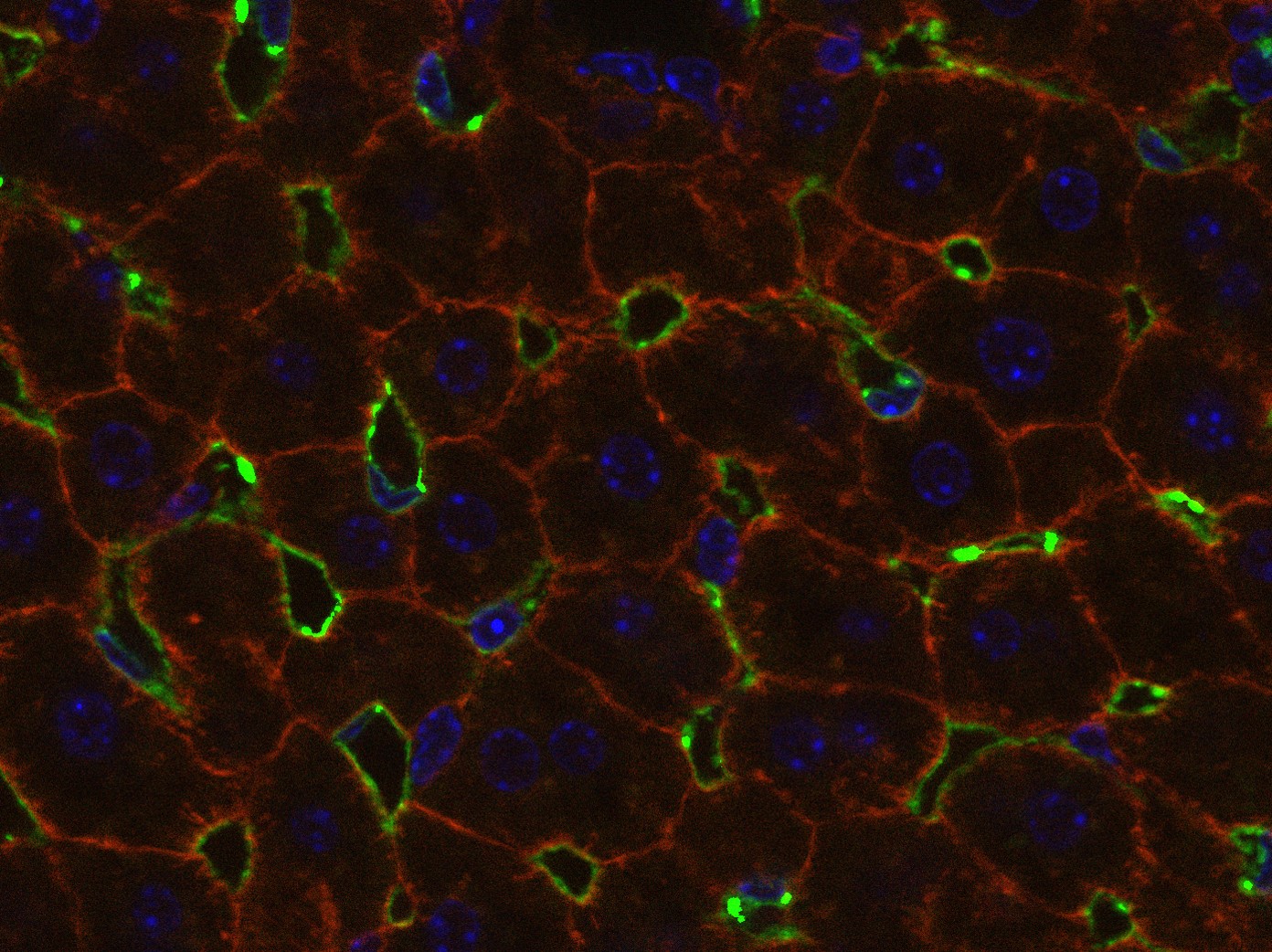
Our team focuses on the role of vessels in liver diseases. We are interested in primary vascular liver diseases, which are rare (Budd-Chiari syndrome, extrahepatic portal vein thrombosis and porto-sinusoidal vascular disease), as well as in the role of vessels in frequent liver diseases, including steatohepatitis and cirrhosis.
Current directions:
– Liver sinusoidal endothelial cell in liver diseases progression: Recent advances point to the gut and the visceral adipose tissue as key players in liver diseases, suggesting the release by these organs of mediators acting on the liver. Liver endothelial cells are among the first cells in contact with the blood derived from these organs. These cells form an active interface between the blood and other liver cells. The role of liver endothelial cells in liver diseases and their complications remains overlooked and is studied by our team.
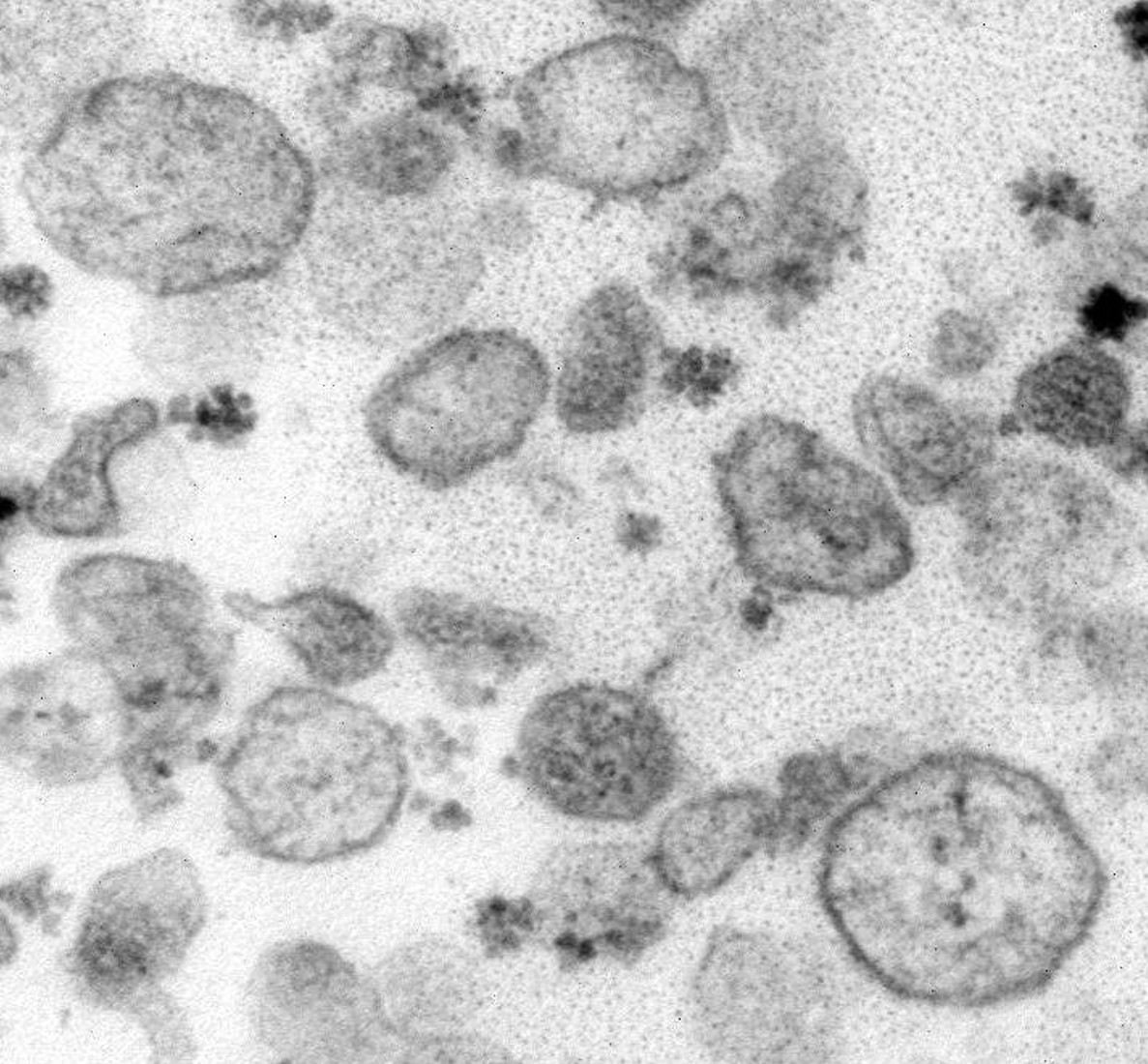
– Extracellular vesicles in liver diseases: Extracellular vesicles are membrane vesicles released in the extracellular space by cells. They include apoptotic bodies, microvesicles, also known earlier as microparticles, and exosomes. Extracellular vesicles are able to convey information from one cell to another. We are currently determining the implication of extracellular vesicles in liver diseases progression and complications by analyzing their role in the communication between the liver and other organs and also within the liver between liver cells. Extracellular vesicles can also be used as biomarkers. We already demonstrated that hepatocyte microvesicles can predict outcome of patients with cirrhosis. We are now validating these findings in large cohorts of patients and are developing new strategies to detect extracellular vesicles of various origins to precisely reflect disease progression.
– Porto-sinusoidal vascular disease, previously called intrahepatic non cirrhotic portal hypertension or nodular regenerative hyperplasia, is a rare disease characterized by alterations involving the portal venules and/or the sinusoids leading in some patients to portal hypertension and its complications. We are investigating the pathophysiology of this disease as well as the outcome of patients with this disease.