

Laboratory of Immunopathology, Nephrology and Cell Signaling
Team Charles
Scientific areas : Immunology, Signaling and Cellular Dynamics
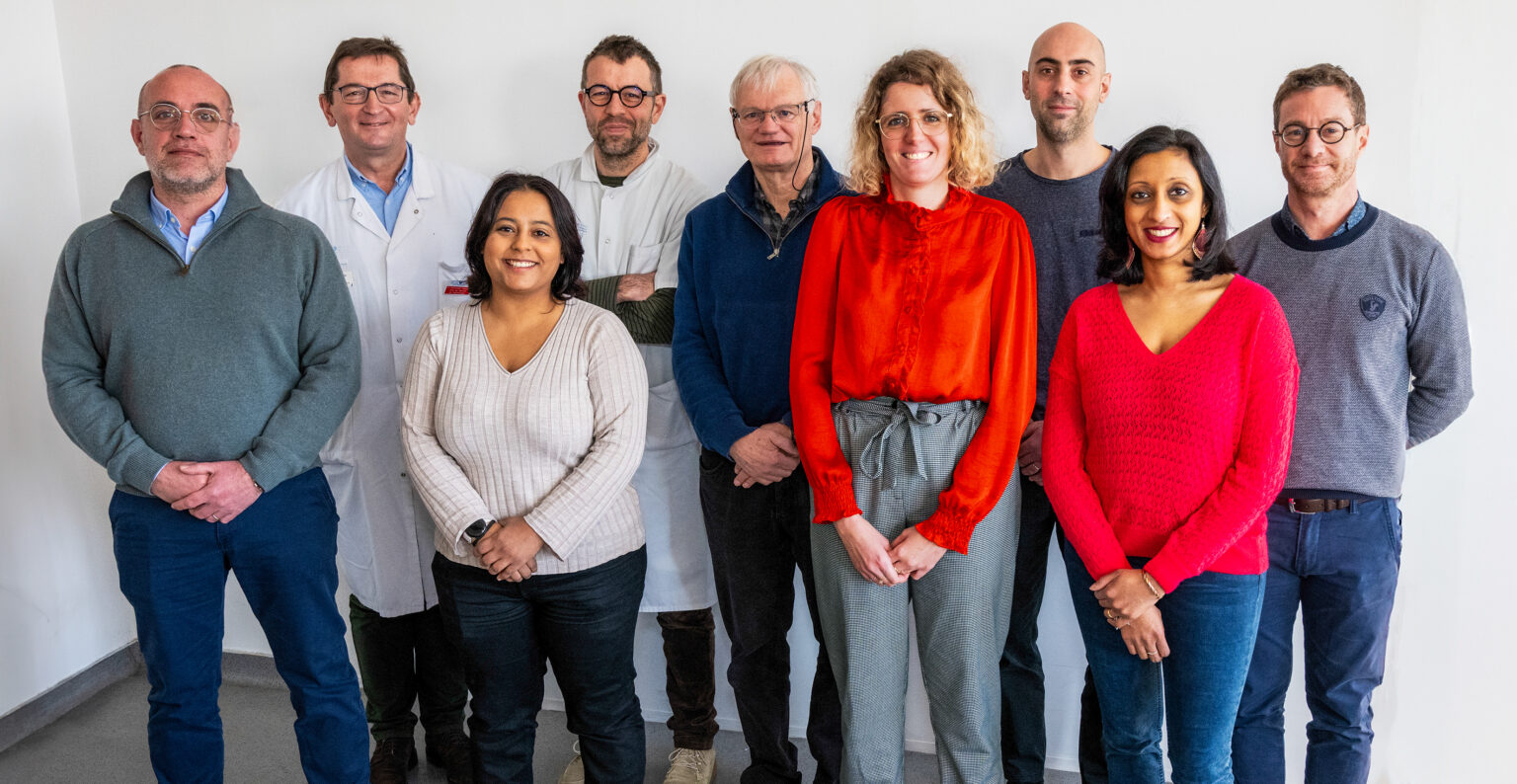
Team composition

The LINCS project is focused on the pathophysiology of immune-related and chronic kidney diseases through translational approaches that involve in vitro and in vivo mechanistic studies as well as characterizations of patient cohorts. We aim to provide pathophysiology-based innovative diagnostic, prognostic and therapeutic tools to patients with chronic kidney diseases and immunopathologies.
The project is divided into three highly interconnected work packages (WP) capitalizing on our previously obtained scientific expertise, results and established strong clinical interface.
- WP1: Immunopathology
We established the contributions of basophils (Bφ) and autoreactive (AR) IgE to Lupus Nephritis (LN) pathogenesis. Our project aims at deciphering, inside secondary lymphoid organs (SLO), the Bφ functional relationships with surrounding cells and identify specific Bφ surface markers to develop innovative therapeutic strategies to ameliorate LN patient care. These approaches and mechanisms are as well developed in other Ab-mediated autoimmune diseases (AAID) where Bφ and AR IgE have a significant pathogenic role. The causal link between severe infectious diseases and the development of autoimmune diseases will be studied as well.
- WP2: Nephrology
WP2 investigates the pathophysiology of chronic kidney diseases (CKD) that lead to kidney fibrosis and loss of function. Concerning LN, we are identifying molecular and cellular factors involved in its extinction when patients undergo replacement therapy (hemodialysis). The aim is to develop novel therapeutic strategies to prevent end stage renal disease in SLE and other CKD. We aim at describing mast cell (MC) involvement in peritoneal fibrosis development that occurs in patients following peritoneal dialysis (PD) replacement therapies. The pathological mechanisms leading to accelerated kidney senescence in CKD will be addressed.
- WP3: Cell Signalling
We will pursue our studies on the intracellular trafficking and signalling pathways involved in degranulation and chemokine secretion by MC by conventional and unbiased approaches. Understanding the molecular mechanisms of inflammatory mediator release by MC will help developing intervention strategies that may allow to control the pro-inflammatory role of MC in allergic and kidney diseases and/or promote their regulatory functions.