


Host-Environment interface in chronic inflammatory disorders
Team Viennois / Meinzer
Scientific areas : Pathophysiology of inflammatory & fibrotic diseases axis

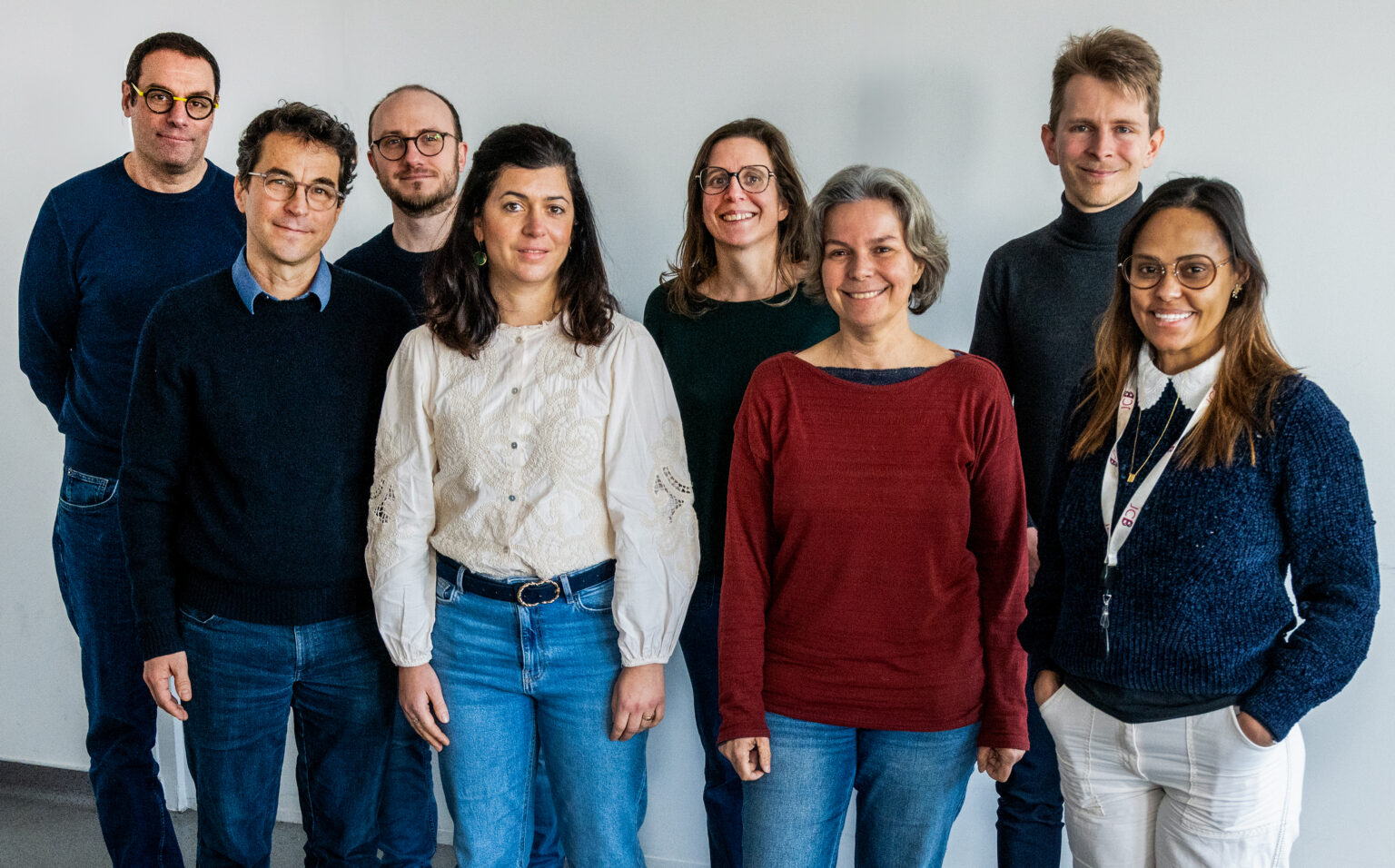
Team composition
Emeritus
PhD students
Post-doctoral fellows
Website
A wealth of evidence points to disruption of the host immune-microbial interaction and dysbiosis—a term describing an altered gut microbiota—in the pathogenesis of IBD and other chronic inflammatory disorders. Our research focuses on the intestinal interface between the external and internal compartments of the gut and seeks to elucidate how this interface influences the pathophysiology of chronic inflammatory diseases. While our focus is on IBD, we are also exploring other chronic inflammatory diseases linked to altered host-microbiota communication, such as arthritis. Both conditions are used and considered as model diseases of intestinal and extraintestinal inflammation. Our main objective is therefore to understand how the intestinal interface can be a determining factor in the initiation and development of diseases associated with dysbiosis.
Dysbiosis early in life is now appreciated for its determining impact on gut health later in life. Several observations in humans and mice indicate that individuals with reduced contact with microbes in life develop a pathological imprint of IBD and other chronic disorders such as rheumatoid arthritis later in life. In contrast, greater bacterial diversity early in life prevents the development of disease in adulthood. Consequently, our project focuses on both early events and those occurring at the time of disease.
Our fundamental question, fuelled by clinical observations, is addressed along three axes:
1) Explore how the external world (environment, microbiota, diet) impacts the interface (OUTER). In an ongoing prospective exposure/non-exposure study, “MIKINAUTEs”, we seek to understand how exogenous factors (diet and exposome) may influence relapse and/or remission of IBD.
2) Understanding the interface itself (INTERFACE), with a particular focus on intestinal miRNAs and their role in host-microbiota interaction and, more generally, intestinal homeostasis.
3) To explore how deregulation of the interface impacts distant organs, leading to extra-intestinal pathologies (INNER) such as arthritis. This axis aims to determine how alterations in intestinal barrier function and bacterial translocation can promote IBD, and similarly arthritis and autoimmunity in genetically predisposed individuals.